

You might have already heard the classic ‘5 a day’ advice regarding fruits and vegetables, but lately, the nutrition community is emphasising ‘7 a day’ for better overall health. Plus, to promote more variety, nutritionists also recommend aiming for 30 different plant-based foods a week. I know that might sound like a lot at first, but don’t worry—it’s not as complicated as it seems! Let’s break it down, share some practical tips, and make this journey delicious and stress-free.
What Does 7 a Day and 30 a Week Really Mean?
7 a day refers to eating at least seven servings of fruits and vegetables daily. The key here is balance—this includes both fruits and vegetables, with an emphasis on the latter. Ideally, you should aim for 5 servings of veggies and 2 servings of fruit.
30 a week refers to the variety of plant-based foods you eat throughout the week. This isn’t just limited to fruits and vegetables. Whole grains, legumes (like beans and lentils), nuts, seeds, and herbs count too. The goal is to have at least 30 different plant-based foods every week, as this can promote a healthier gut microbiome and provide a wider range of nutrients.
But how can you reach those numbers without turning your life upside down?
The Secret? Plan Ahead (Just a Little!)
A bit of planning goes a long way when it comes to achieving your 7 a day and 30 a week. But don’t worry—I’m not talking about spending hours in the kitchen. It’s all about making small, intentional choices that build up throughout the day and week.
One way to start is to make sure your kitchen is stocked with a variety of fruits, vegetables, and plant-based foods. When you go grocery shopping, think about the rainbow of colors in your cart—try to pick up fruits and vegetables that are red, orange, yellow, green, purple, and white. This will not only help you meet your nutritional goals but also make your meals more interesting and visually appealing.
Easy Ways to Get Your 7 a Day
Supercharge your breakfast! A lot of people don’t think of breakfast as a prime time for veggies, but it can be! Here are some ideas:
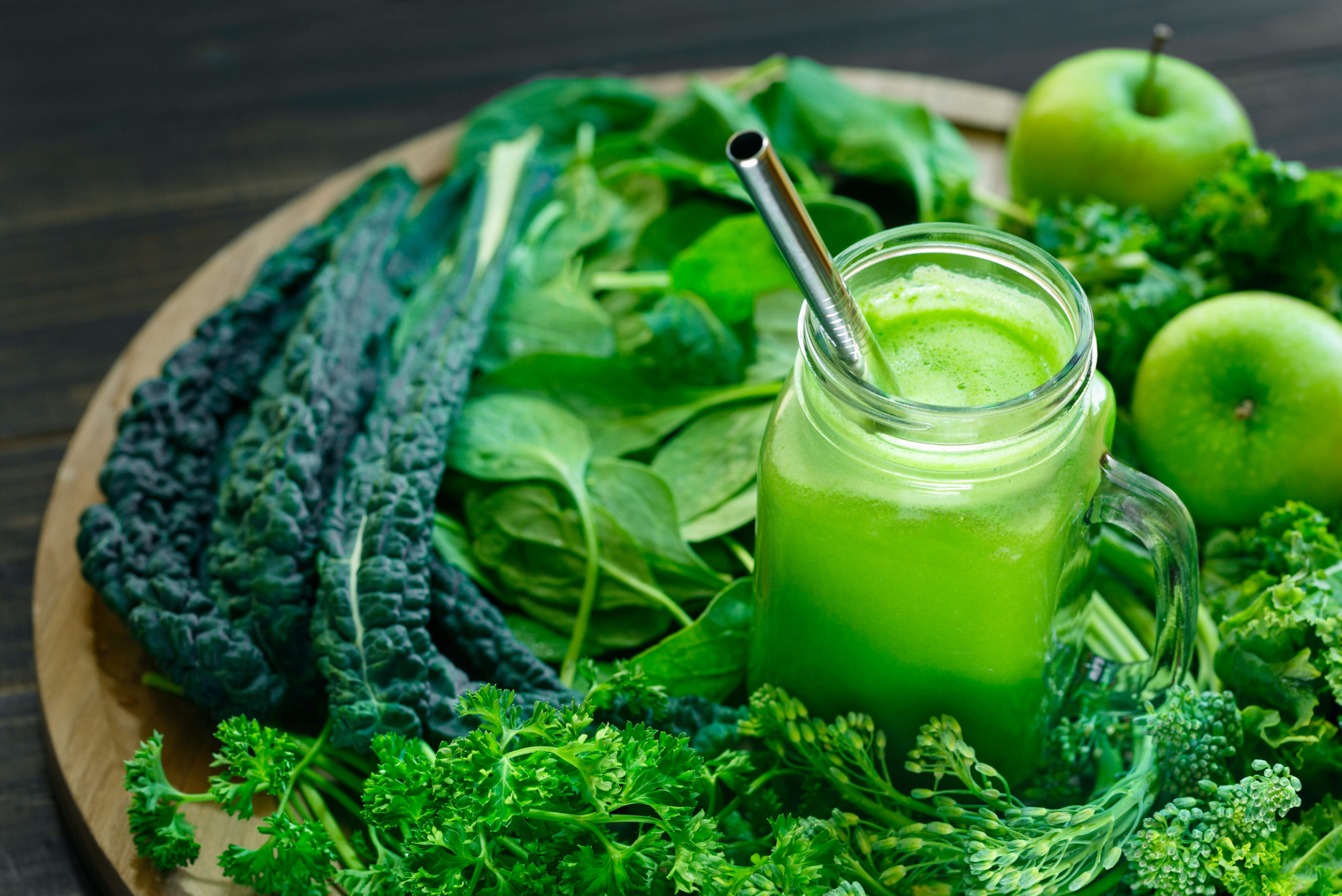
- Smoothies: Toss a handful of spinach, kale, or even a cucumber into your fruit smoothie. You won’t even taste the veggies, but your body will thank you. Plus, add in different fruits like bananas, berries, or mangoes for variety.
- Veggie-loaded scrambled eggs: Throw in some bell peppers, spinach, or tomatoes with your scrambled eggs or omelette. It’s an easy way to get a serving or two of veggies early in the day.
- Avocado toast: Top whole-grain bread with avocado and add some sliced tomatoes, radishes, or spinach. You can even sprinkle seeds like chia or sunflower seeds on top for a little crunch and bonus nutrients.
Snack Smart
Snacks are an easy place to sneak in extra fruits and veggies:
Carrot or cucumber sticks with hummus: Not only are you getting veggies, but you’re also adding legumes from the hummus.
Fruit: Instead of reaching for chips or cookies, have an apple, a handful of grapes, or a small bowl of mixed berries.
Roasted chickpeas or nuts: These add variety and texture to your snack routine while helping you hit that 30 different plant foods goal.
Soup It Up
Soups are one of the easiest ways to load up on vegetables without even realizing it. You can throw in a wide variety of veggies, beans, and grains. Make a big pot of veggie-packed soup (think minestrone or lentil) and freeze portions for later.
Super Salads
Don’t think of salads as boring or limited. Use them as a base to combine different plant-based foods:
– Start with a leafy green base (spinach, kale, rocket).
– Add colourful vegetables like carrots, tomatoes, bell peppers, and beets.
– Top with chickpeas, black beans, or quinoa for some legumes or grains.
– Sprinkle with seeds, nuts, or fresh herbs to pack in even more plant-based variety.
Stir-fry
Stir-fries are another easy way to get a variety of vegetables in one meal. Choose a mix of vegetables like peppers, broccoli, carrots, and mushrooms. Toss in some chicken, tofu, tempeh, or a protein of your choice and serve with whole grains like brown rice or quinoa.
Don’t Forget Dinner
Make vegetables the star of your dinner plate. Whether you’re making pasta, tacos, or curry, there’s always room to add more veggies:
Veggie pasta sauce: Make a marinara or pesto sauce and load it with chopped veggies like courgettes, onions, and peppers.
Roast veggies: Toss veggies like sweet potatoes, Brussels sprouts, peppers, courgettes and cauliflower with olive oil and roast them alongside your protein of choice.
How to Get 30 a Week
Now that you’re working on getting your 7 servings of fruits and vegetables each day, let’s tackle the 30 different plant-based foods goal. Remember, this isn’t just about fruits and veggies. Think of all the different plant foods out there—grains, nuts, seeds, legumes, herbs, and even spices count!
Mix Up Your Grains
Don’t just stick to rice and wheat. Explore different grains like quinoa, farro, bulgur, barley, and even ancient grains like teff and millet. These can be swapped into dishes where you’d normally use rice or pasta, giving you a variety of nutrients and textures.
Add Legumes
Beans and lentils are a fantastic way to increase your variety. There are so many types: black beans, kidney beans, chickpeas, pinto beans, lentils (red, green, or black), and more. Add them to soups, salads, tacos, or grain bowls.
Go Nuts and Seeds
Almonds, walnuts, chia seeds, flaxseeds, sunflower seeds—the options are endless. Add them to oatmeal, salads, or smoothies for extra crunch and nutrition.
Herbs and Spices for Flavour and Variety
Fresh herbs like parsley, coriander, basil, mint, and dill not only brighten up your dishes but also count towards your plant-based variety. Spices like turmeric, cumin, and cinnamon can elevate the flavour of your meals while contributing to your 30-a-week goal.
Diversify Your Vegetables
Even within a single type of vegetable, there’s variety. For example, try different types of squash or leafy greens or potatoes with sweet potatoes, purple potatoes, or even try parsnips as an alternative.
Fruit with a Twist
If you tend to stick to the same apples and bananas, try adding in more exotic fruits like mangoes, kiwi, papaya, or pomegranates. Frozen fruit can be just as nutritious and is a great option for smoothies or snacks.
Tips to Make It All Manageable
Batch Cook: Prepare a few different veggie-based meals at the weekend and store them in the fridge or freezer for easy access throughout the week.
Try Something New each Week: Pick one new fruit, veggie, or plant-based food to experiment with each week. This keeps things interesting and helps you add more variety.
Keep a Food Journal: Track the different plant foods you eat each week. You’ll be surprised how easy it is to hit 30 when you pay attention.
Make it Fun
Getting your 7 servings of fruits and vegetables a day and 30 different plant-based foods a week doesn’t have to be a daunting task. It’s all about making small, consistent changes and having fun with your meals. By mixing up your routine, trying new foods, and sneaking in extra veggies where you can, you’ll be well on your way to a healthier, more vibrant lifestyle—without feeling like you’re on some strict diet.
Remember, every little bit counts. Even if you don’t hit these goals perfectly every day or week, you’re still doing wonders for your health by increasing your intake of fruits, vegetables, and plant-based foods. And as you experiment, you’ll find your body feeling more energized, and your taste buds will love the adventure!

Leave a Reply